Serbian Wines
Živeli! Serbia might be most famous for its powerful Rakija, but its wines are quickly gaining the attention they deserve, telling a story that spans centuries.
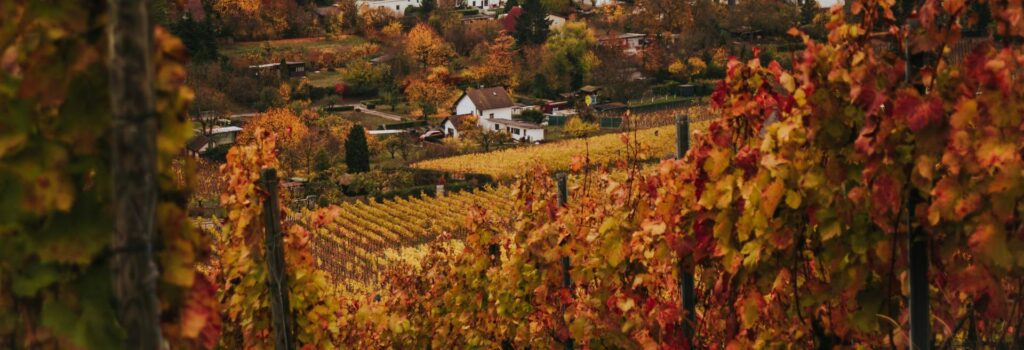
From the gentle slopes of Fruška Gora in the north to the valleys of the south, Serbia's diverse landscapes and climates are perfect for growing grapes. This is a land where ancient indigenous varieties are being rediscovered and celebrated, standing proudly alongside well-loved international names.
Whether you're planning a trip through the Serbian countryside or searching for an exciting new bottle to add to your collection, you've found your guide to the liquid heart of Serbia. Let's raise a glass and explore!
Serbia's Vineyards: Regions of Note
Serbia boasts a number of distinct wine regions, each contributing its own character to the country's wine map:
- Fruška Gora: Often called the "Serbian Holy Mountain," this region in Vojvodina (Northern Serbia) is one of the most famous. Its vineyards benefit from the Danube River and produce a wide range of wines, particularly known for whites and Bermet, a unique aromatic fortified wine.
- Župa: Located in Central Serbia, the Župa valley is one of the oldest and most important wine regions. It's the heartland of the indigenous Prokupac grape and also known for Tamjanika.
- Three Moravas (Tri Morave): This large region in Central Serbia, centered around the Morava rivers, is significant for both indigenous and international varieties.
- Negotin Krajina: In Eastern Serbia, near the border with Bulgaria and Romania, this region has a distinct climate and is known for producing robust reds.
- Other Regions: Don't overlook areas like Šumadija, Jagodina, Smederevo, and South Morava, which also contribute to Serbia's diverse wine production.
Each region offers a unique expression of Serbia's winemaking potential.
Serbian Grapes: Indigenous Stars and International Friends
Serbia is home to some fascinating native grape varieties that are experiencing a renaissance, offering tastes you won't find anywhere else!
- Prokupac: The most important Serbian red indigenous grape. It produces wines ranging from light and fruity to complex and structured, often with notes of red berries, spice, and earthy undertones. It's a true taste of Serbian heritage.
- Tamjanika: A highly aromatic white indigenous grape (part of the Muscat family). It yields intensely fragrant wines with floral, citrus, and Muscat notes, often slightly off-dry. It's incredibly refreshing and unique.
- Smederevka: A widely planted white grape, particularly in the Smederevo region. It typically produces light, crisp, and refreshing dry white wines.
- Vranac: While strongly associated with Montenegro, Vranac is also grown in Serbia, producing deep, full-bodied red wines with dark fruit and spice.
- Bermet: Not a grape, but a unique fortified aromatic wine from Fruška Gora, made by macerating herbs and spices with grape must. It's a traditional aperitif or digestif.
Alongside these, you'll find excellent Serbian expressions of international varieties like Cabernet Sauvignon, Merlot, Chardonnay, Sauvignon Blanc, and Riesling.
A Storied Past: Serbian Wine History
Winemaking in Serbia has a long and often tumultuous history, dating back to Roman times. It flourished during the medieval Serbian Empire, particularly under the Nemanjić dynasty, with monasteries playing a key role in viticulture.
The Ottoman period saw a decline, but winemaking persisted in certain areas. The 19th and 20th centuries brought challenges like phylloxera and political changes, but the late 20th and early 21st centuries have seen a significant revival. New investments, a focus on quality, and the rediscovery of indigenous grapes are putting Serbian wine back on the international map. When you enjoy a Serbian wine today, you're tasting this rich, resilient history.
Perfect Pairings: Serbian Wine and Food
- Prokupac: Excellent with grilled meats (like Ćevapi or Pljeskavica), roasted lamb, aged cheeses, and traditional Serbian stews.
- Tamjanika: A fantastic aperitif, or pairs well with lighter appetizers, salads, white fish, and even some spicier dishes due to its aromatic intensity.
- Smederevka: Great with freshwater fish, simple grilled chicken, or as a refreshing wine on its own.
- Vranac: A good match for rich meat dishes, game, and strong cheeses.
- Bermet: Traditionally served with desserts, or as an aperitif with nuts and dried fruits.
Don't hesitate to ask your host or restaurant staff for their local pairing recommendations!
Discover Serbian Wineries & Brands
Ready to find your next favourite bottle from Serbia? Explore our selection of wineries below. Learn about the passionate people behind these unique wines and what makes their production special.
Aleksandrović
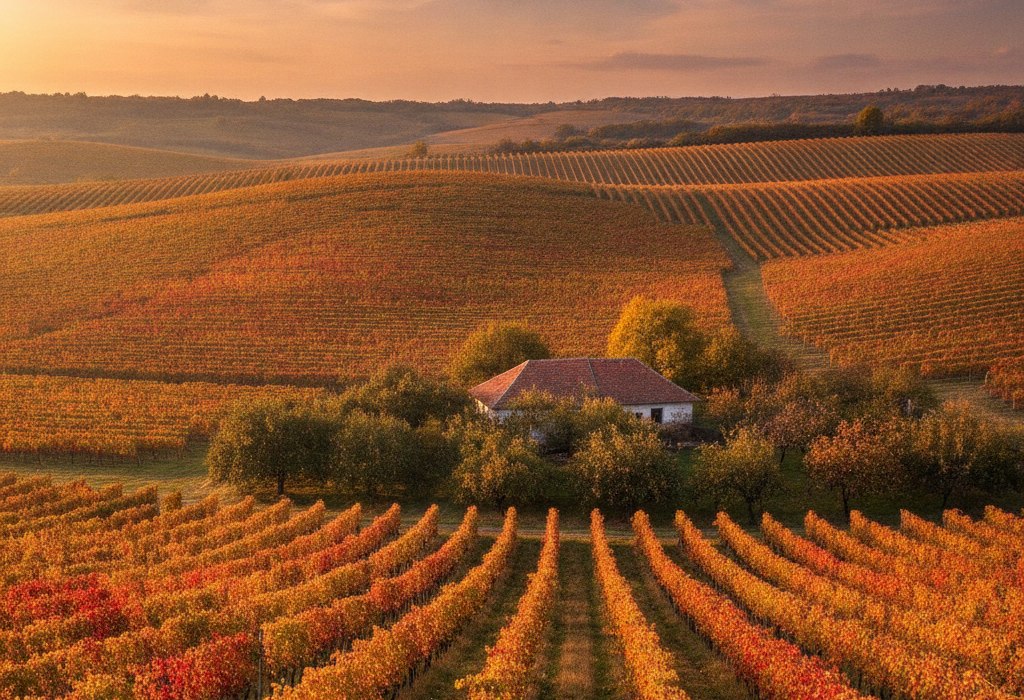
A royal Oplenac family winery, home to Trijumf — a red blend built from a recipe once served at Europe's royal courts.
View Profile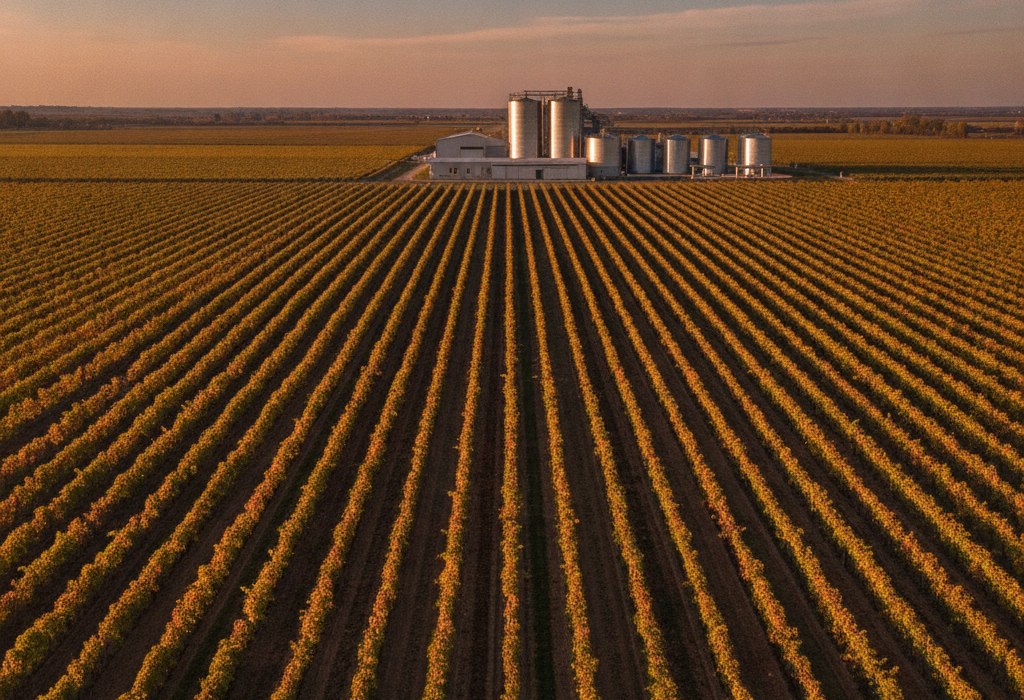
Rubin
Serbia's largest wine and spirits producer, founded in 1955 in Kruševac — the reliable everyday bottle across the country.
View Profile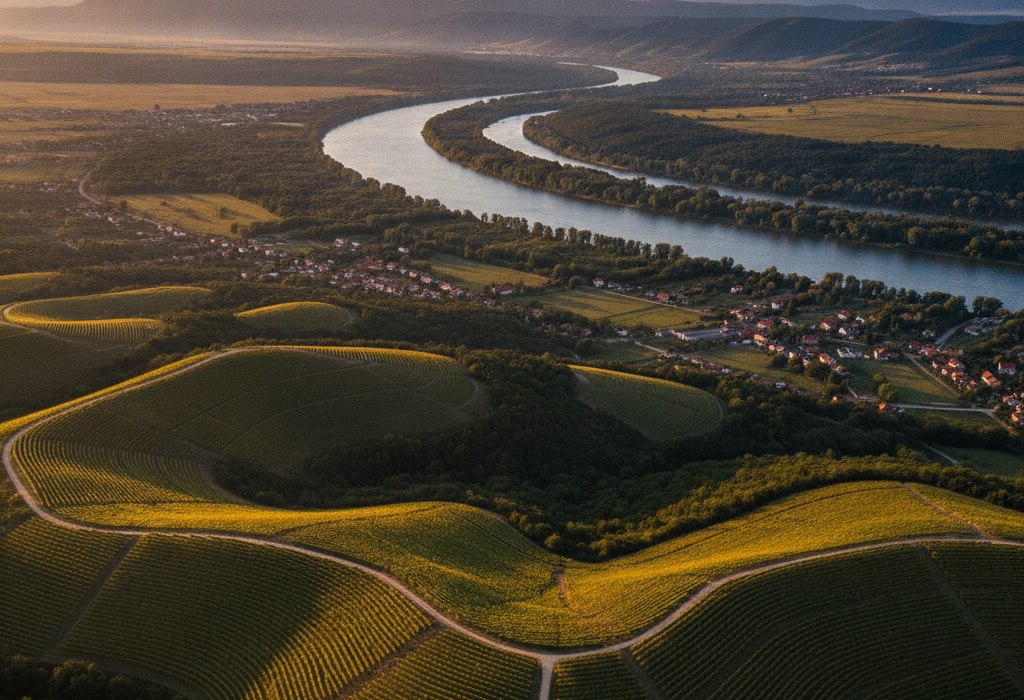
Kovačević
A boutique organic estate on Fruška Gora overlooking the Danube, farmed by the same family for over a century.
View Profile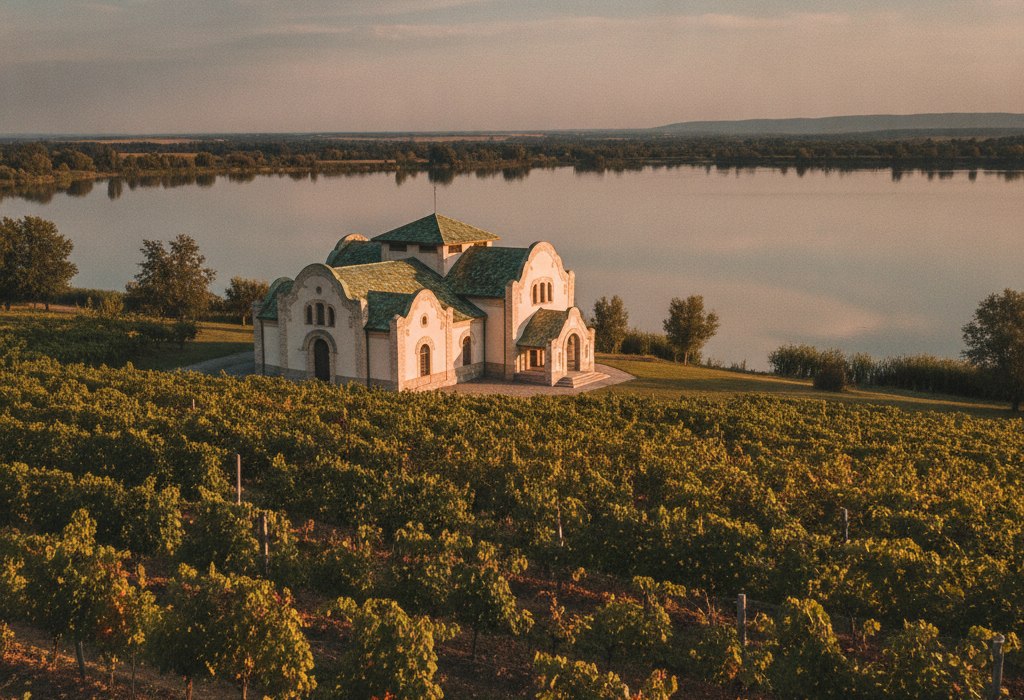
Zvonko Bogdan Winery
An Art Nouveau winery on the shore of Lake Palić, founded with famed folk singer Zvonko Bogdan.
View Profile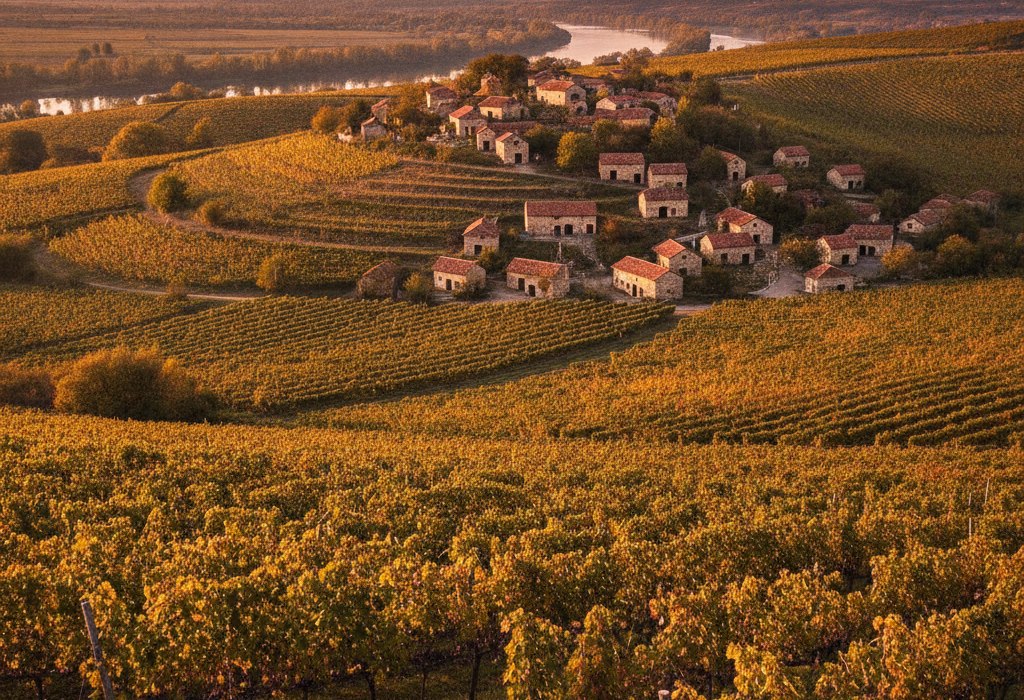
Matalj Vinarija
A modern Negotin estate beside the UNESCO-nominated Rajac wine-cellar village, famous for Cabernet Sauvignon Kremen.
View Profile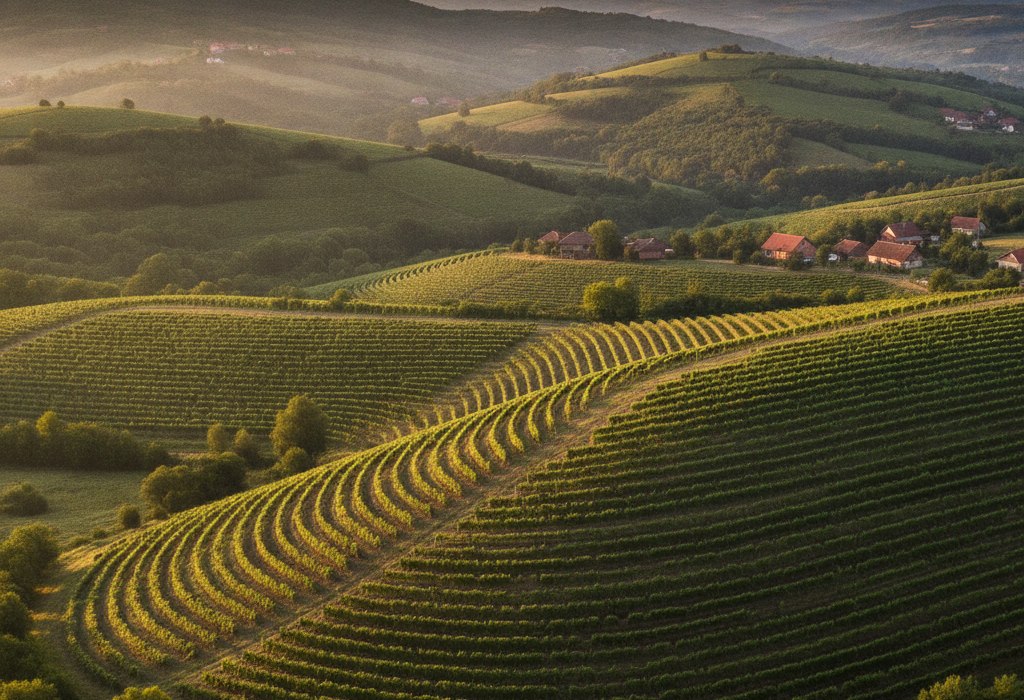
Radovanović
Serbia's first private winery, founded 1990 — made wine through sanctions and historic hyperinflation to become one of the country's best.
View ProfilePlanning Your Visit?
Visiting a winery in Serbia offers a fantastic opportunity to experience the local culture, meet the winemakers, and, of course, enjoy some tastings right at the source. Many regions are easily accessible and offer beautiful scenery.
Živeli! (Cheers!) Enjoy your journey through the exciting world of Serbian wines!