From Our Roots to Your Glass: Discovering Balkan Spirits & Sips.
Dobro došli!
The Balkans hold secrets that most of the world hasn’t discovered yet. While everyone talks about French wines and Scottish whisky, there’s an entire universe of incredible drinks flowing through these ancient lands—and honestly, it’s about time more people knew about it.
We’re not just another drinks blog run by people who’ve never set foot in the region. This is personal. With deep roots in the Balkans and years spent tracking down everything from century-old family distilleries to cutting-edge craft breweries, we’ve made it our mission to share what locals have known for generations.
The Numbers Tell a Story
Here’s something that might surprise you: Serbia alone has 10,000 private rakija producers, though only 2,000 are officially registered. Most of these are small-scale family operations passing down techniques through generations. During Yugoslavia’s peak in the 1970s, the region was among the world’s top ten wine producers, pumping out over 6 million hectolitres annually.
The diversity is staggering too. The Balkans boast over 1,000 different grape varieties, with many found nowhere else on Earth. Serbia’s nearly 70,000 hectares of vineyards produce about 425,000 tons of grapes each year, while Croatia has some 2,500 winemakers crafting everything from light coastal whites to robust inland reds.

What You’ll Actually Find Here
The Liquid Landscape
Rakija isn’t just “Balkan vodka”—that’s like calling champagne “fancy grape juice.” This fruit brandy typically ranges from 40-60% alcohol content, though homemade versions often hit 50-80%. The EU has recognized 12 brands of Bulgarian rakija with Protected Designation of Origin status, and Croatia boasts 6 rakija products with EU Protected Geographical Indication. These aren’t accidents—they’re the result of centuries of perfecting the craft.
Then there’s the wine scene. Serbia produces about 64% white wines and 36% red, with indigenous varieties like Prokupac and Tamjanika that have been growing here since the Middle Ages. Down in Montenegro, Plantaze sold 16.9 million bottles in 2010, making it the largest bottled wine producer in the former Yugoslavia.
Beyond Tourist Bottles
We don’t just tell you what to drink—we tell you why it matters. Every glass connects to stories that stretch back millennia. Why do Montenegrins add a shot of rakija to their morning coffee? What makes Croatian Plavac Mali grapes so different from anything you’ve tasted? Which Serbian winery survived World War II by hiding their barrels in church crypts?
The Real Makers
From the shepherd in Montenegro’s mountains who ages his rakija in chestnut barrels to the third-generation vintner in Croatia’s Istria region experimenting with orange wines, we introduce you to the people behind the bottles. These aren’t corporate brands—they’re passionate individuals with incredible stories.
Finding Your Way In
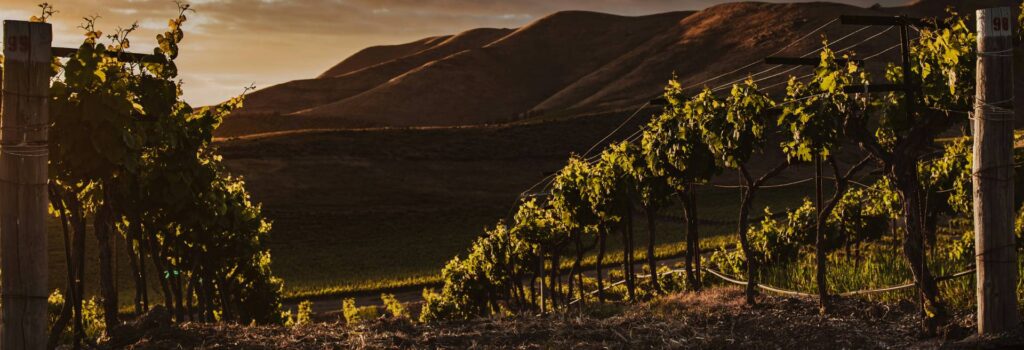
Whether you’re planning to explore the vine-covered hills of Fruška Gora, hunt for hidden rakija distilleries in the mountains above Trebinje, or simply want to find authentic Balkan bottles at home, we’ve got you covered.
This isn’t about ticking boxes or following someone else’s list. It’s about understanding what makes a drink worth making, worth sharing, and worth remembering. Every region has its own personality, its own traditions, and its own way of welcoming strangers with a glass of whatever they’re most proud of.
Ready to discover what you’ve been missing?