
Croatian Wines
Dobrodošli! Croatia isn't just famous for its stunning coastline and historic cities; it's also a land with a winemaking heritage as deep and blue as the Adriatic itself.
With vineyards scattered from the sun-drenched islands and rugged Dalmatian coast to the rolling hills of Istria and the continental plains, Croatia boasts an incredible diversity of wines. Whether you prefer crisp whites, robust reds, or something delightfully sweet, there's a Croatian wine (and a story!) waiting for you.
This isn't just about fermented grapes; it's about history, tradition, and the passionate people who are bringing Croatian wines to the global stage. So, grab a glass, and let's explore!
A Land of Wine: Croatian Wine Regions
Croatia is broadly divided into two main wine-growing zones, each with its own character:
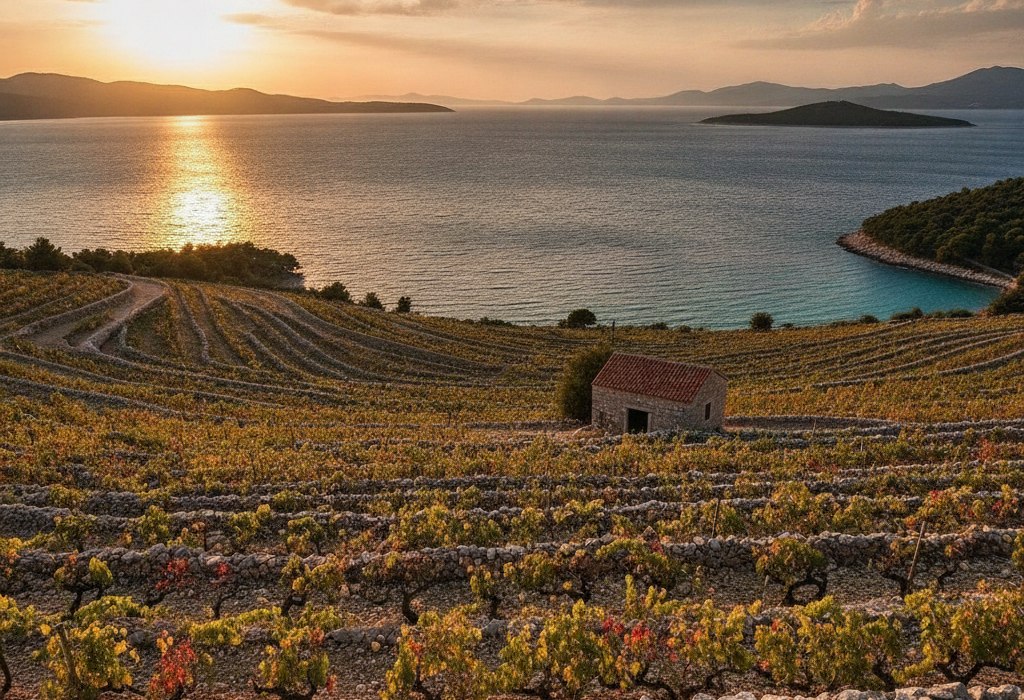
- Coastal Croatia (Primorska Hrvatska): Stretching along the Adriatic coast and islands, this region is heavily influenced by the Mediterranean climate. Think sunshine, sea breezes, and vineyards clinging to steep, rocky slopes. This is the heartland of many famous red wines, but also produces some fantastic whites. Key areas include Istria, Dalmatia (with sub-regions like Pelješac, Hvar, Brač), and the Kvarner islands.
- Continental Croatia (Kontinentalna Hrvatska): Moving inland, the climate becomes more continental with warmer summers and colder winters. This area is known for its refreshing white wines and aromatic varieties. Regions here include Slavonia, Podunavlje, Moslavina, and the Croatian Uplands (including Zagorje and Međimurje).
Each region has its own microclimates and signature grapes, offering a fascinating journey for your palate.
Grape Expectations: Key Croatian Varieties
Croatia is a treasure chest of indigenous grape varieties, some found almost nowhere else in the world! Getting to know these is key to understanding Croatian wine.
- Plavac Mali: The undisputed king of Dalmatian reds. A relative of Zinfandel (yes, they're related!), it produces full-bodied, robust wines with notes of dark fruit, spice, and sometimes a hint of the sea. Famous sub-regions like Dingač and Postup on the Pelješac peninsula are renowned for this grape.
- Malvazija Istarska: The queen of Istria! This white grape yields crisp, aromatic wines with notes of apple, apricot, and floral hints, often with a pleasant minerality. Perfect for sipping on a warm day or pairing with seafood.
- Graševina: The most widely planted grape in Continental Croatia. This versatile white produces fresh, dry wines with notes of green apple, citrus, and sometimes a touch of honey. It's approachable, food-friendly, and a must-try.
- Pošip: A fantastic white grape primarily from the islands of Korčula and Hvar. It produces fuller-bodied white wines with ripe fruit flavours (like apricot and fig) and a lovely balance.
- Debit: Another interesting white, mainly from North Dalmatia. It offers refreshing acidity and often mineral or slightly salty notes.
- Teran: A red grape primarily found in Istria. It produces wines with vibrant acidity, often with notes of berries and earthy undertones. It pairs wonderfully with rich, local cuisine.
Beyond these stars, keep an eye out for Bogdanuša (Hvar), Maraština (Dalmatia), Frankovka (Continental red), and many more!
History in a Bottle: A Brief Sip Through Time
Winemaking in Croatia dates back over 2,500 years, introduced by ancient Greek settlers on the islands. The Romans continued the tradition, and through various empires and eras, the vineyards persisted. Despite challenges like phylloxera in the late 19th century and political shifts in the 20th, Croatian winemakers have preserved their heritage.
Today, there's a dynamic blend of tradition and modern innovation. Many small, family-run wineries are producing exceptional quality wines, gaining international recognition and proudly showcasing their unique indigenous varieties. When you sip a Croatian wine, you're tasting centuries of history and resilience!
Perfect Pairings: What to Eat with Croatian Wine
- Malvazija Istarska: Pairs beautifully with seafood, Istrian pasta dishes (like Fuži), asparagus, and light risottos.
- Graševina: Excellent with freshwater fish, poultry, traditional continental dishes like štrukli, and various cheeses.
- Plavac Mali: A natural partner for grilled meats, Peka (slow-cooked meat and vegetables), aged cheeses, and hearty stews.
- Pošip: Goes well with richer seafood, grilled fish, and white meat.
- Teran: Fantastic with Istrian prosciutto, game dishes, and red meat.
Don't be afraid to ask locals for pairing suggestions – they know best!
Discover Croatian Wineries & Brands
Ready to find your next favourite bottle from Croatia? Explore our selection of wineries below. Learn about the passionate people behind these unique wines and what makes their production special.
Grgić Vina
The Pelješac winery founded by Judgment of Paris legend Mike Grgich, making just two wines: Plavac Mali and Pošip.
View Profile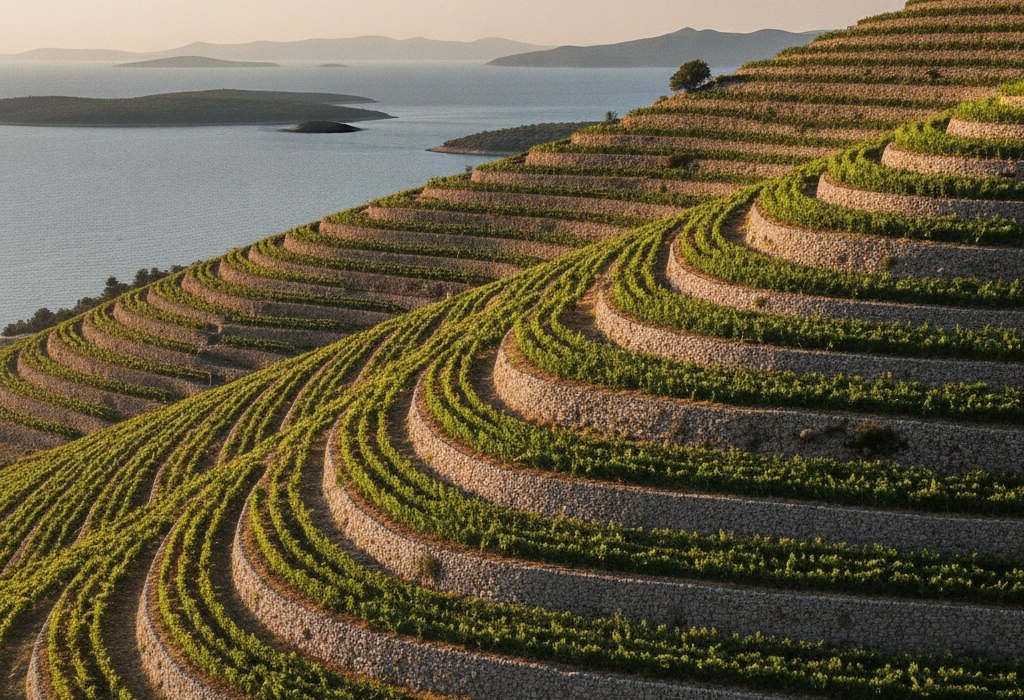
Zlatan Otok
The self-taught fisherman's winery on Hvar behind the world-acclaimed Zlatan Plavac Grand Cru.
View Profile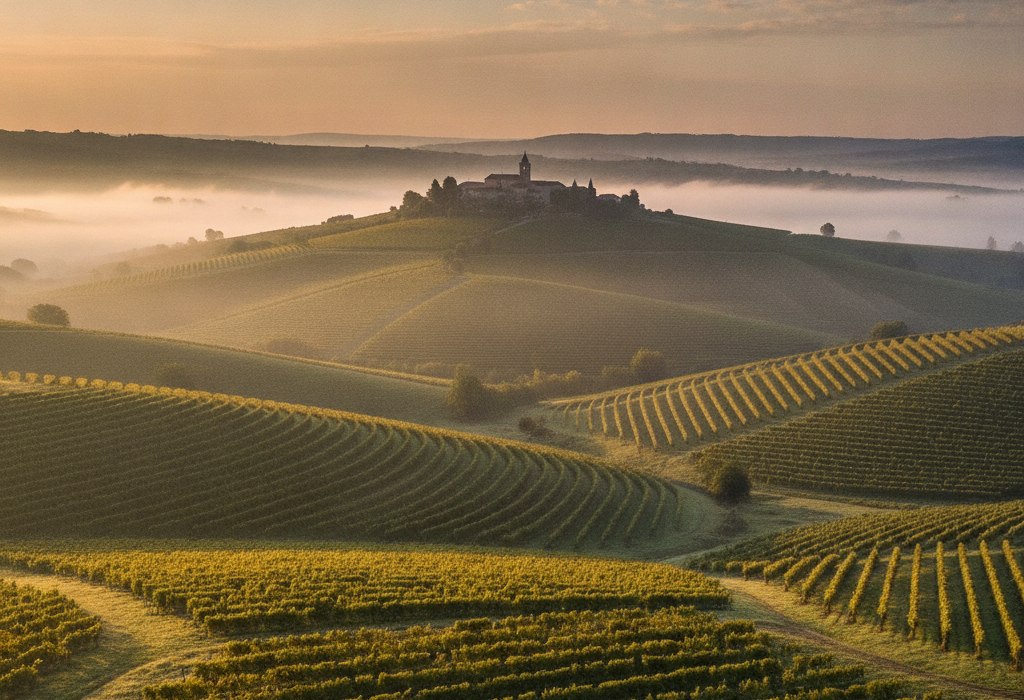
Kozlović
Four generations of family winemaking in Istria, famous for benchmark Malvazija from the Santa Lucia grand cru.
View Profile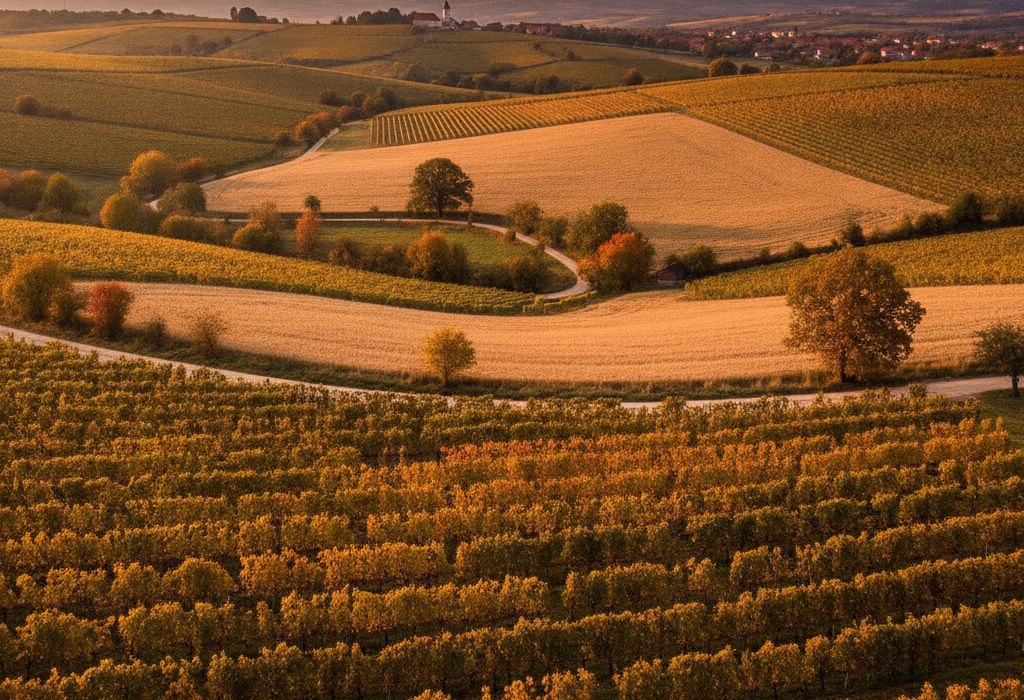
Krauthaker
Continental Slavonia's benchmark Graševina producer, run by a two-time Croatian Best Winemaker.
View Profile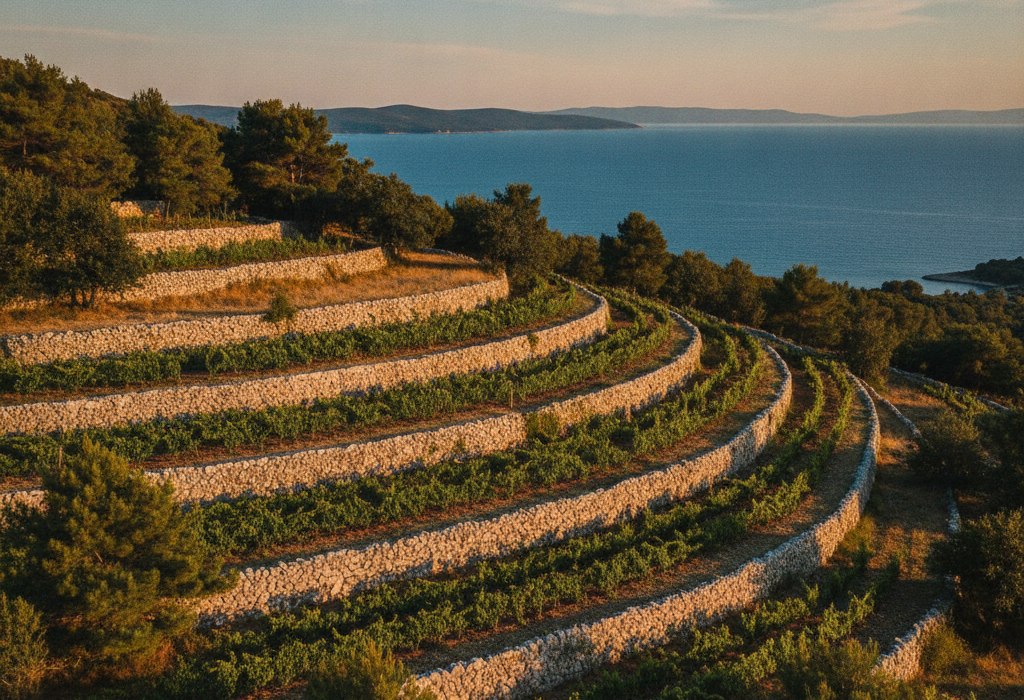
Krajančić
A single-grape Korčula island estate with a family lineage documented to 1538, growing only Pošip.
View Profile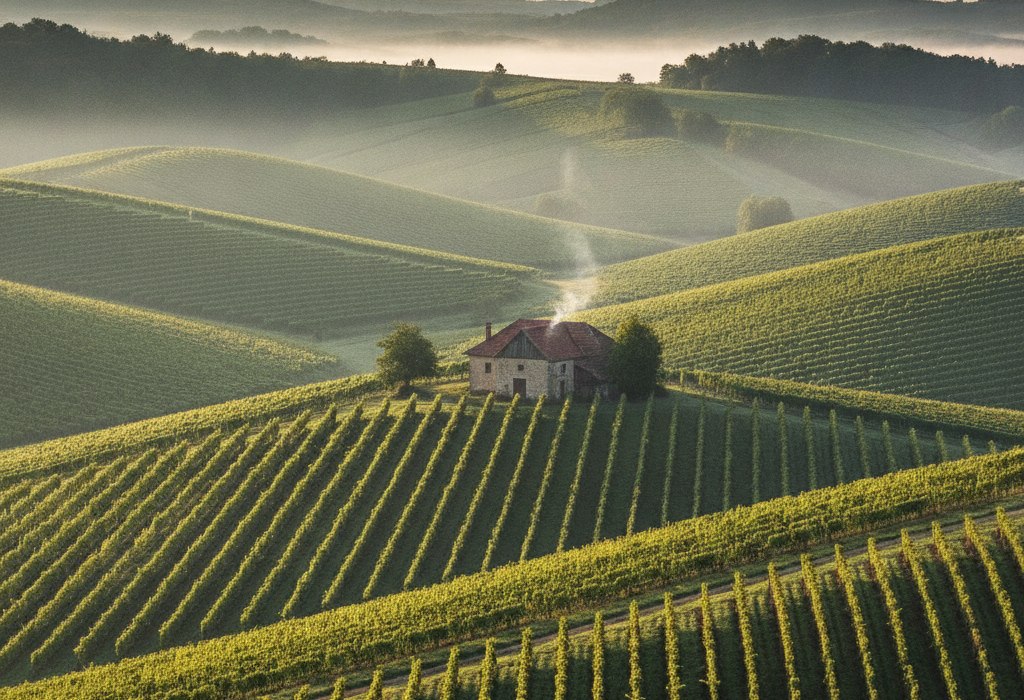
Tomac
Croatia's most refined sparkling wine producer, famous for amphora-aged wine in the Plešivica hills.
View ProfilePlanning Your Visit?
If you're traveling to Croatia, visiting a local winery is a highly recommended experience. Many offer tastings, vineyard tours, and a chance to meet the passionate people behind the wine. It's the best way to truly connect with the culture and the craft.
Živjeli! (Cheers!) Enjoy exploring the wonderful world of Croatian wines!