
Vinarija Čitluk: The Story Behind Bosnia’s Largest Winery and Its Stone Vineyards
Dobar dan! Welcome to a closer look at Vinarija Čitluk — the single largest wine producer and exporter in all of Bosnia and Herzegovina. Founded in 1957 in the heart of Herzegovina’s wine country, Čitluk has spent nearly seven decades turning the rugged, sun-baked hills between Mostar and Čitluk into one of the Balkans’ most productive wine regions.
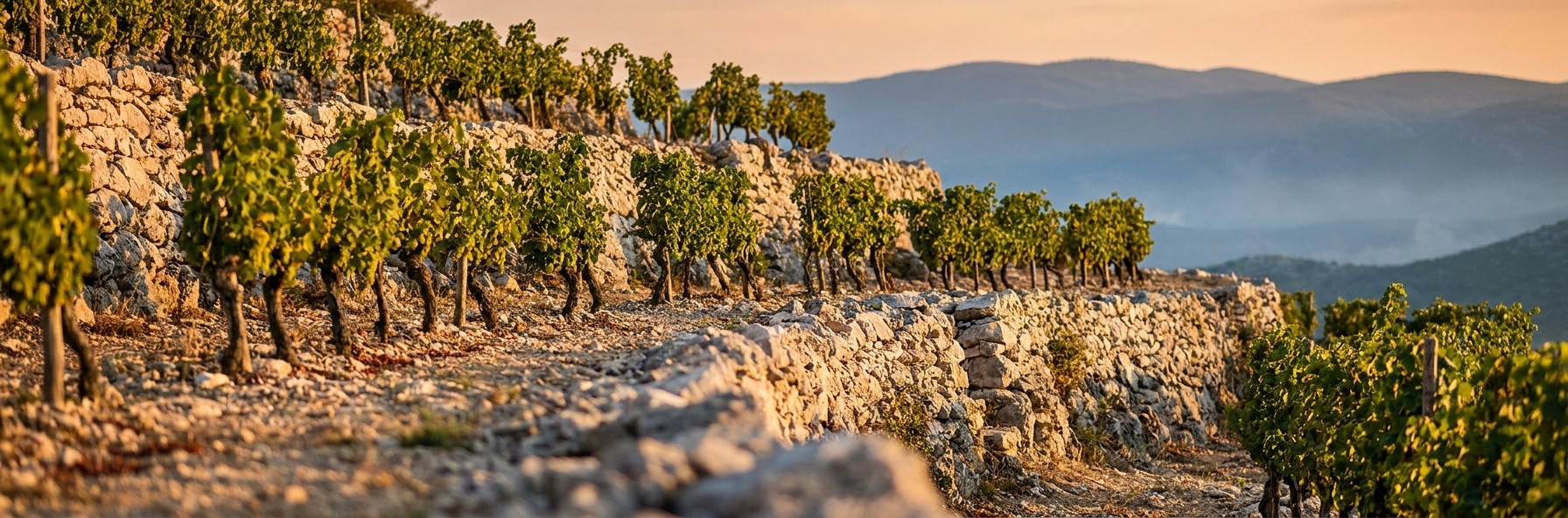
What makes Vinarija Čitluk’s story so remarkable isn’t just its scale — it’s the land itself. Between 1981 and 1984, the winery transformed 100 hectares of bare limestone plateau into the now-famous “Stone Vineyards” (Kameni Vinogradi), planting vines directly into rock where almost nothing else would grow. Today, those vines produce some of the country’s most celebrated Žilavka.
From a state-owned enterprise during the Yugoslav era to a privately run winery since 2002, Vinarija Čitluk has weathered every chapter of Herzegovina’s modern history while staying true to the region’s indigenous grapes. Let’s explore what makes this Herzegovinian giant worth knowing.
Vinarija Čitluk
Bosnia and Herzegovina’s largest wine producer and exporter, founded in 1957. Famous for the “Stone Vineyards” — 100 hectares of rocky plateau transformed into productive vines — and the Kameno and Teuta wine lines made from indigenous Žilavka, Blatina, and Trnjak.
Visit Winery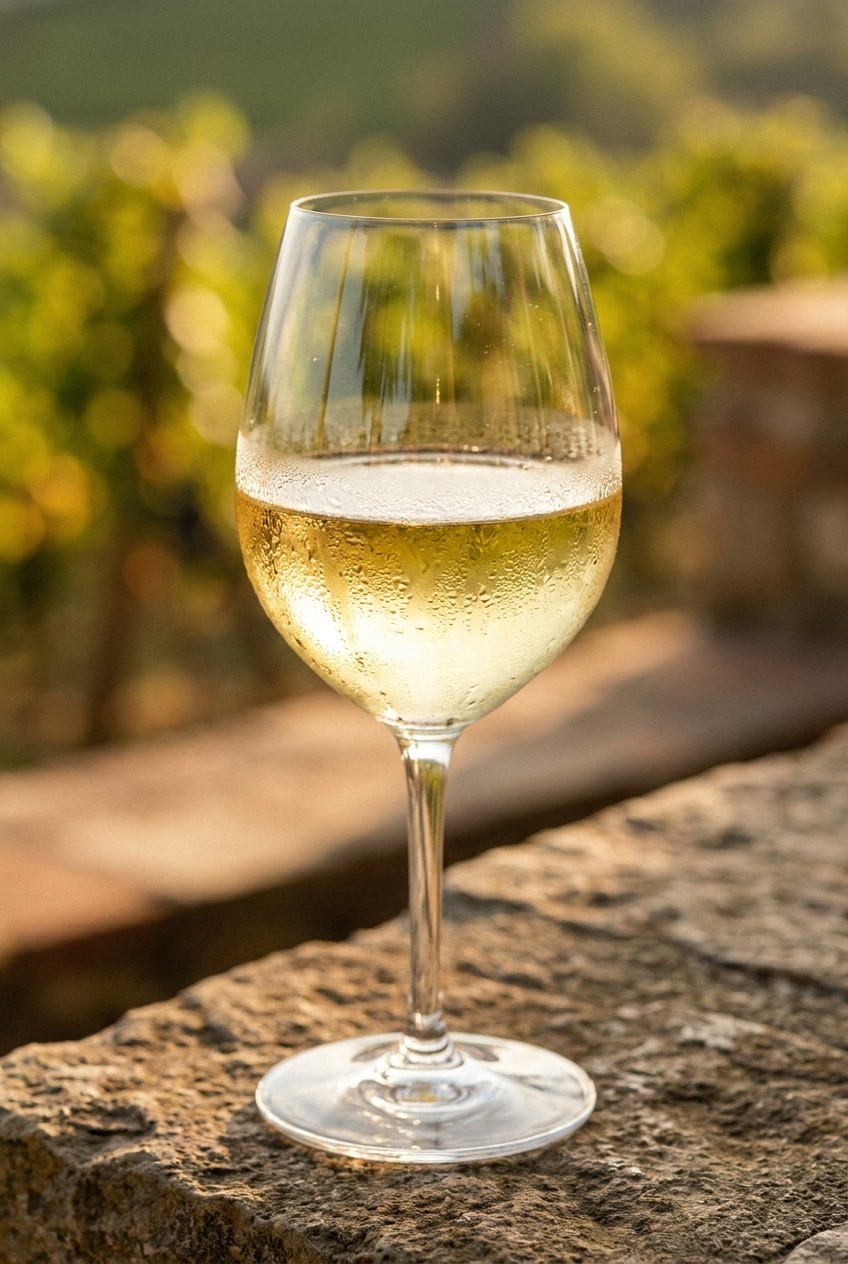
Kameno Žilavka
From State Enterprise to Herzegovina’s Wine Giant: The History of Vinarija Čitluk
Vinarija Čitluk was established in 1958, with its first vineyards planted on land already known for centuries of Herzegovinian viticulture. For more than fifty years it operated as part of the Yugoslav state agricultural system, at one point forming part of the giant HEPOK enterprise — at the time, the most modern wine production facility in the entire Balkans. When HEPOK broke apart in the difficult years that followed, Vinarija Čitluk survived where many others didn’t, and it was privatized in 2002.
The winery’s defining achievement came between 1981 and 1984, when workers cleared a 100-hectare plateau of bare limestone rock south of Čitluk and planted it with vines — a feat that turned what looked like a stone desert into a green oasis. The site became known as the Stone Vineyards (Kameni Vinogradi), planted with 90% Žilavka and 10% Bena, and it remains one of the most visually striking vineyards anywhere in the Balkans.
Today, Vinarija Čitluk owns vineyards stretching from Mostar to Čitluk covering several hundred hectares, making it by far the largest wine producer and exporter in Bosnia and Herzegovina — a scale that smaller, family-run wineries in the region simply can’t match.

The Taste: Žilavka, Blatina, and the Wines of the Stone Vineyards
Vinarija Čitluk’s range spans everyday drinking wines to premium single-vineyard bottlings, all built around Herzegovina’s indigenous grapes:
- Kameno Žilavka: The flagship white, sourced from the Stone Vineyards. Full-bodied and mineral-driven, with the deep limestone roots showing through in every glass.
- Teuta range: Trnjak and Blatina reds, a Žilavka Selekcija white, plus rosé and orange-wine versions — found on restaurant wine lists across the country.
- Brocco Prestige: Sparkling Brut and Rosé Brut, made in the traditional method, a sign of the winery’s broader ambitions beyond still wine.
- Tribus and beyond: A red blend alongside small plantings of Plavac Mali and Vranac, rounding out one of the most complete portfolios in the country.
More Than Wine: Vinarija Čitluk’s Place in Herzegovina
- Industrial-scale survivor: Vinarija Čitluk outlasted the collapse of the Yugoslav-era HEPOK giant and the upheaval of the 1990s war, emerging as the country’s dominant producer.
- An agricultural feat: The Stone Vineyards remain a genuine local landmark — proof that Herzegovina’s harshest terrain could be turned productive through sheer persistence.
- The export benchmark: As the country’s largest exporter, Vinarija Čitluk’s wines are often the first taste of Bosnian wine that international drinkers ever encounter.
Perfect Pairings: Enjoying Vinarija Čitluk Wines with Herzegovinian Food
These wines were built to sit alongside the rich, Mediterranean-leaning food of Herzegovina:

- Kameno Žilavka: Pairs beautifully with Herzegovinian prosciutto, hard cheeses, and olives, or grilled freshwater fish from the Neretva.
- Teuta Blatina: A natural match for ćevapi, grilled lamb, or hearty stews — the tannins cut right through rich, fatty meat.
- Brocco Prestige sparkling: Serve as an aperitif, or alongside lighter seafood and Adriatic-style starters.
- Teuta Orange: Adventurous and food-friendly — try it with spiced or smoked dishes for an unexpected match.
Finding Vinarija Čitluk Wines
- At the source: The Romanca restaurant and tasting room on site in Čitluk, with tours available of the Stone Vineyards themselves.
- Across Bosnia and Herzegovina: As the country’s largest producer, Vinarija Čitluk wines are the easiest Bosnian wines to find — in supermarkets, restaurants, and specialty shops nationwide.
- Internationally: Available through export markets across Europe and beyond — check vinarija-citluk.ba for stockist information.
Živjeli uz Vinarija Čitluk! A toast to the winery that turned a stone desert into Bosnia’s most productive vineyard, and to the Herzegovinian grapes that keep its glasses full.